
Do Septic Tank Additives Actually Work?
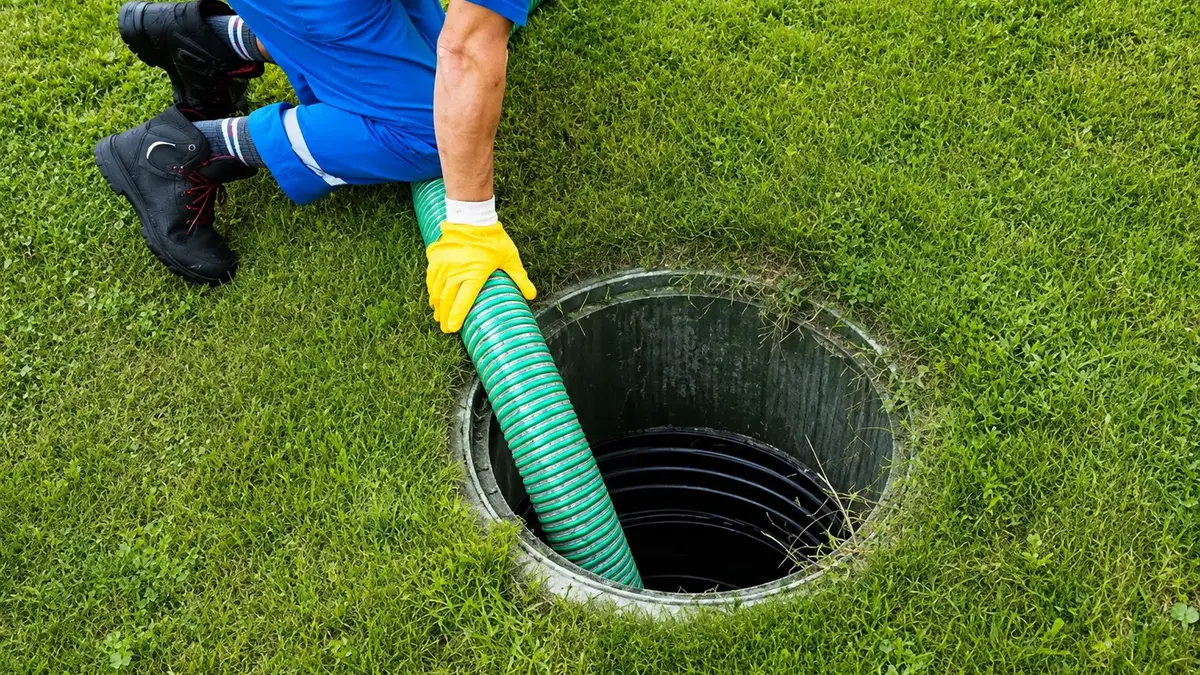
We get asked about additives almost every week. The marketing is persuasive — drop a packet in the toilet once a month and the bacteria will eat away the sludge, so you can skip pumping. It would be great if it worked that way. It doesn't.
Your tank already has the bacteria it needs
A septic tank is seeded with bacteria every single time someone uses the bathroom. A healthy tank has a thriving population that breaks down what it can. What's left — the sludge on the bottom — is largely material bacteria can't digest, like minerals, hair, and fibers. No additive makes that disappear. It has to be pumped out.
When additives can actually hurt
- Products that claim to 'break up' sludge or grease can push solids out of the tank and into the drain field, where they clog the soil — the most expensive part of the system to replace
- Some chemical treatments harm the bacteria you already have
- The biggest risk is false confidence: people who rely on additives often stop pumping, and the field pays for it
What actually keeps a system healthy
- Regular pumping — typically every three to five years for most households
- Keeping grease, wipes, and harsh chemicals out of the drains
- Using bleach and drain cleaners sparingly, so you're not killing off the tank's natural bacteria
- Spreading out water use and fixing leaks
If you've been using an additive, you don't need to panic — just don't let it replace a pumping schedule. Save the money for the pump-out, and if you'd like us to check the condition of your tank and field while we're there, just ask.