
How Often Should You Pump Your Septic Tank in Washington?
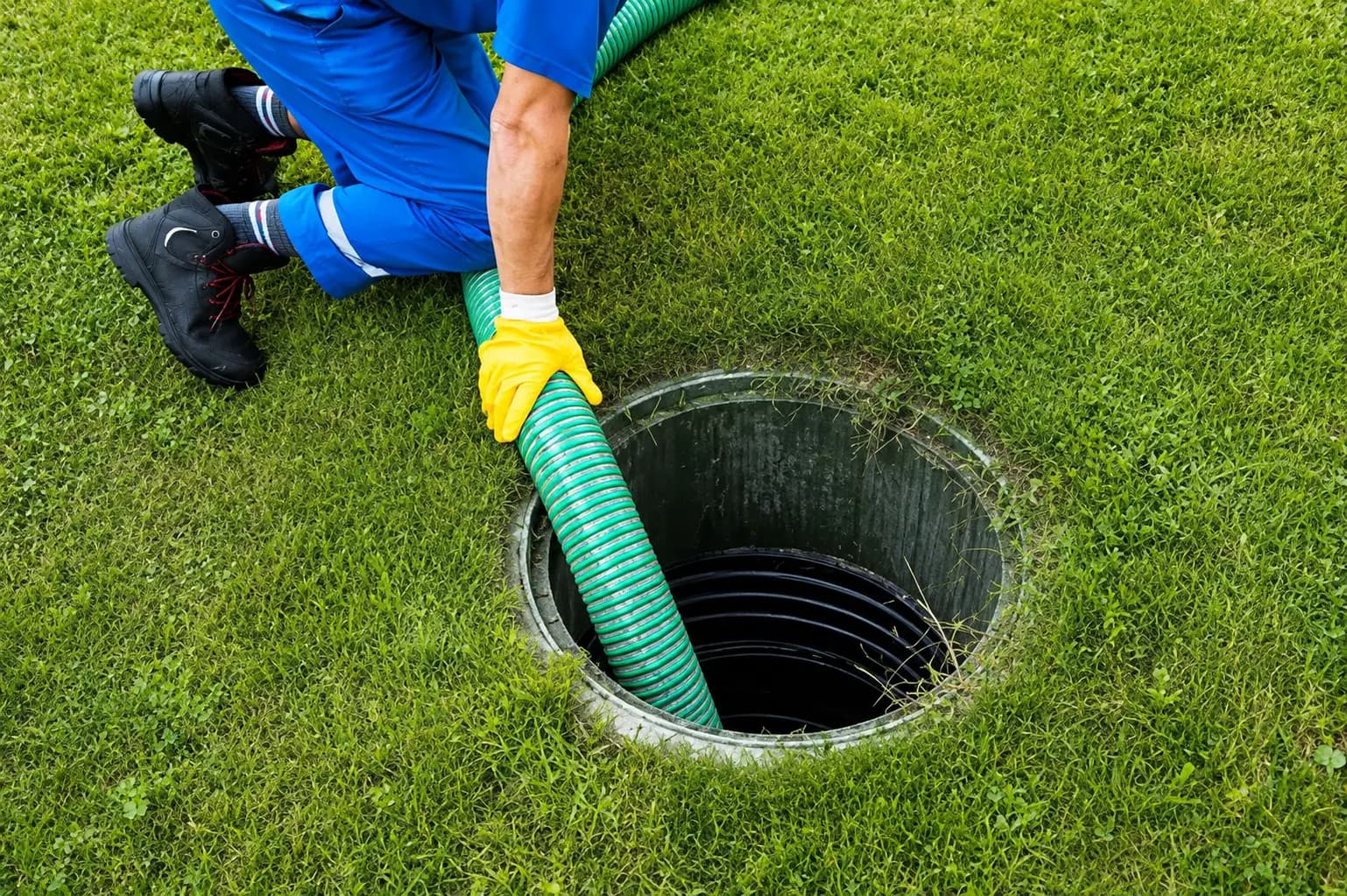
Every septic company will tell you "every 3 to 5 years," and that's a reasonable place to start — but it's a range, not a fixed rule. We've pumped tanks that were fine at year 5 and tanks that needed attention at year 2. The interval that's right for your house depends on a few specific things, not a calendar.
What actually determines your pumping schedule
- Household size — more people means more solids going into the tank
- Tank size — an undersized tank for your household fills faster
- Garbage disposal use — food waste adds solids that don't break down like normal waste
- Water usage habits — heavy laundry days, long showers, and leaky fixtures all add volume
A family of five with a garbage disposal and an older, smaller tank might genuinely need pumping every 2–3 years. A couple in a home with a properly sized modern tank might comfortably stretch to 5. Neither one is wrong — they're just different situations.
Signs you're overdue, regardless of the calendar
- Slow drains or gurgling pipes throughout the house
- Standing water or unusually green, spongy grass over the drain field
- Sewage odor near the tank or in the yard
- Sewage backing up into tubs, sinks, or toilets
If you're seeing any of those, don't wait for your "scheduled" pumping date — call. Those are signs the tank is already full enough that solids are starting to move where they shouldn't.
What happens if you skip it
When a tank isn't pumped on time, solids build up until they start migrating into the drain field. That's the single most common — and most expensive — way septic systems fail, because drain fields are much harder and costlier to fix than a tank is to pump. Regular pumping is cheap insurance against a five-figure drain field replacement.
If it's been a while since your last pumping and you're not sure where you stand, we'll take a look, tell you honestly what your tank needs, and give you a realistic next date — not just an upsell.