
Cold Snaps and Septic Systems: Does Yours Need Protecting?
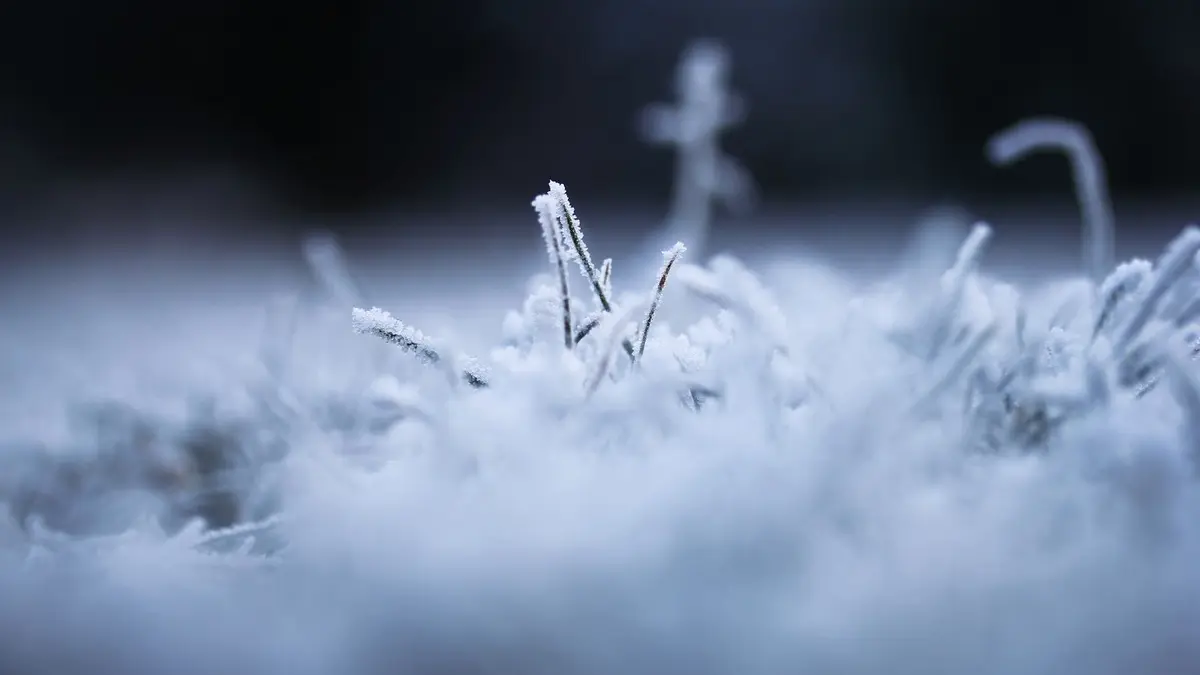
Most of the year, our winters are wet rather than cold, and a properly buried septic system never gets anywhere near freezing. But every few years an arctic blast settles in for a week, and we start getting calls about frozen lines — almost always on systems that had something exposed, shallow, or idle.
What actually freezes
The tank itself rarely does; there's too much warm water and active bacteria in it. The trouble spots are the pipe from the house to the tank where it runs shallow, pump-chamber lines and floats on pressure systems, and any section of pipe that holds standing water instead of draining. A slow drip from a leaky fixture is a classic culprit — it trickles water down the line slowly enough to freeze in layers.
Simple protection that works
- Leave the grass over the tank and field a little longer going into winter — it's free insulation
- A layer of straw or mulch over the tank lid and lines adds more if your system is shallow or exposed
- Keep vehicles off the field — compacted soil and snow freeze deeper than undisturbed ground
- Fix dripping faucets and running toilets before the cold arrives
- Keep using water normally; regular warm flow is one of the best defenses
If you're leaving the house empty
Cabins, rentals, and seasonal homes are the most likely to freeze, because nothing is moving through the system. If a property will sit vacant through a cold stretch, talk to us about winterizing — and don't add antifreeze to the system unless it's a septic-safe product we've recommended.
If drains stop working during a freeze, don't pour boiling water or chemicals down them and don't try to thaw lines with a torch. Call us — we'll find where the blockage is and clear it without damaging the pipe.